


September is Gynecologic Cancer Awareness Month, and we want to take this opportunity to raise awareness about these types of cancer. Gynecologic cancer is any cancer that starts in a woman's reproductive organs. There are 5 different types, and they are:
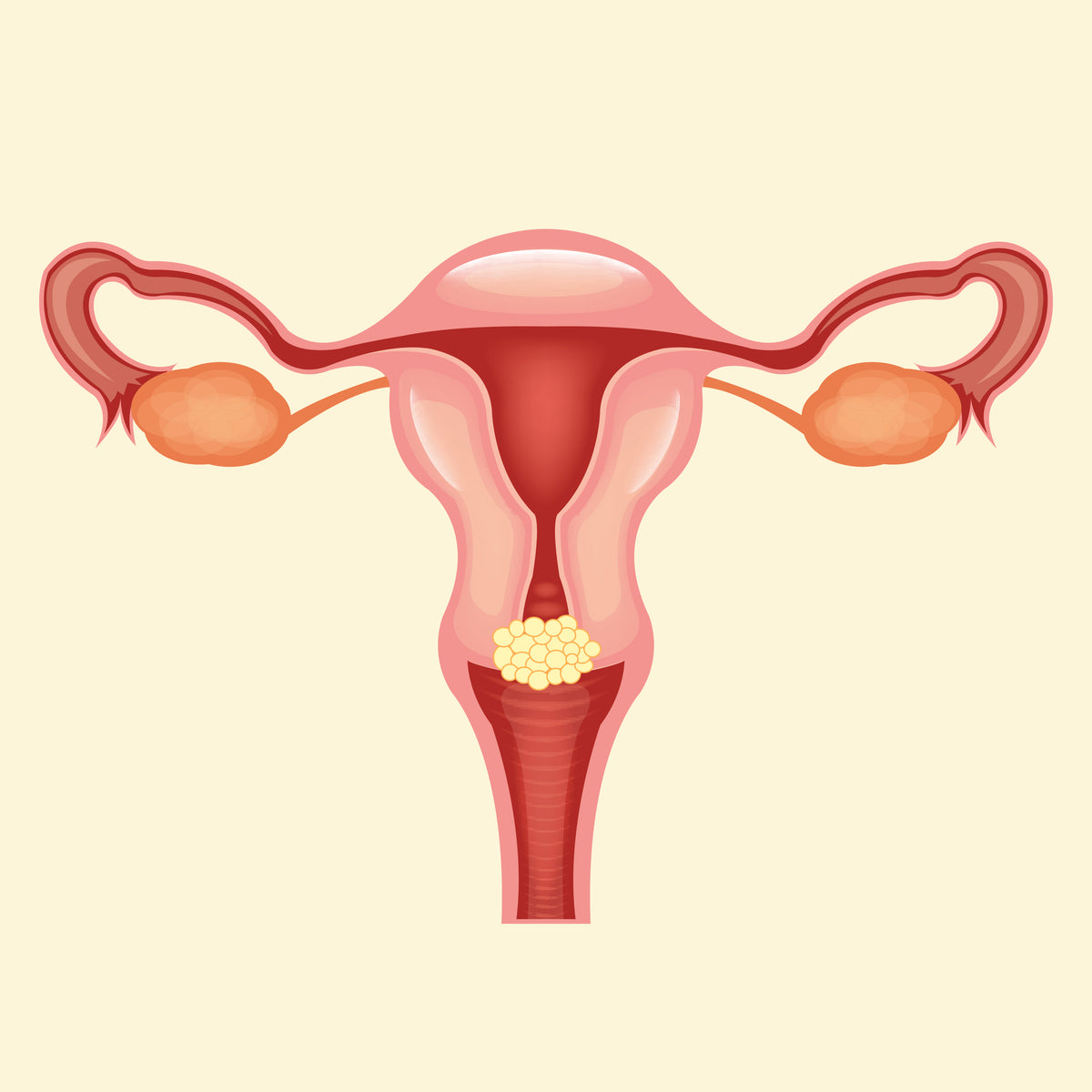
1. Cervical Cancer
The cervix is the lower part of the uterus. HPV (Human Papillomavirus) is the most common cause of cervical cancer.
Symptoms include:
- Pain during intercourse
- Bleeding after intercourse
- Blood-tinged discharge
- Bleeding between periods
Note: Going in for regular Pap smears might not sound like fun, but it's extremely important, since they help detect early stages of cervical cancer.
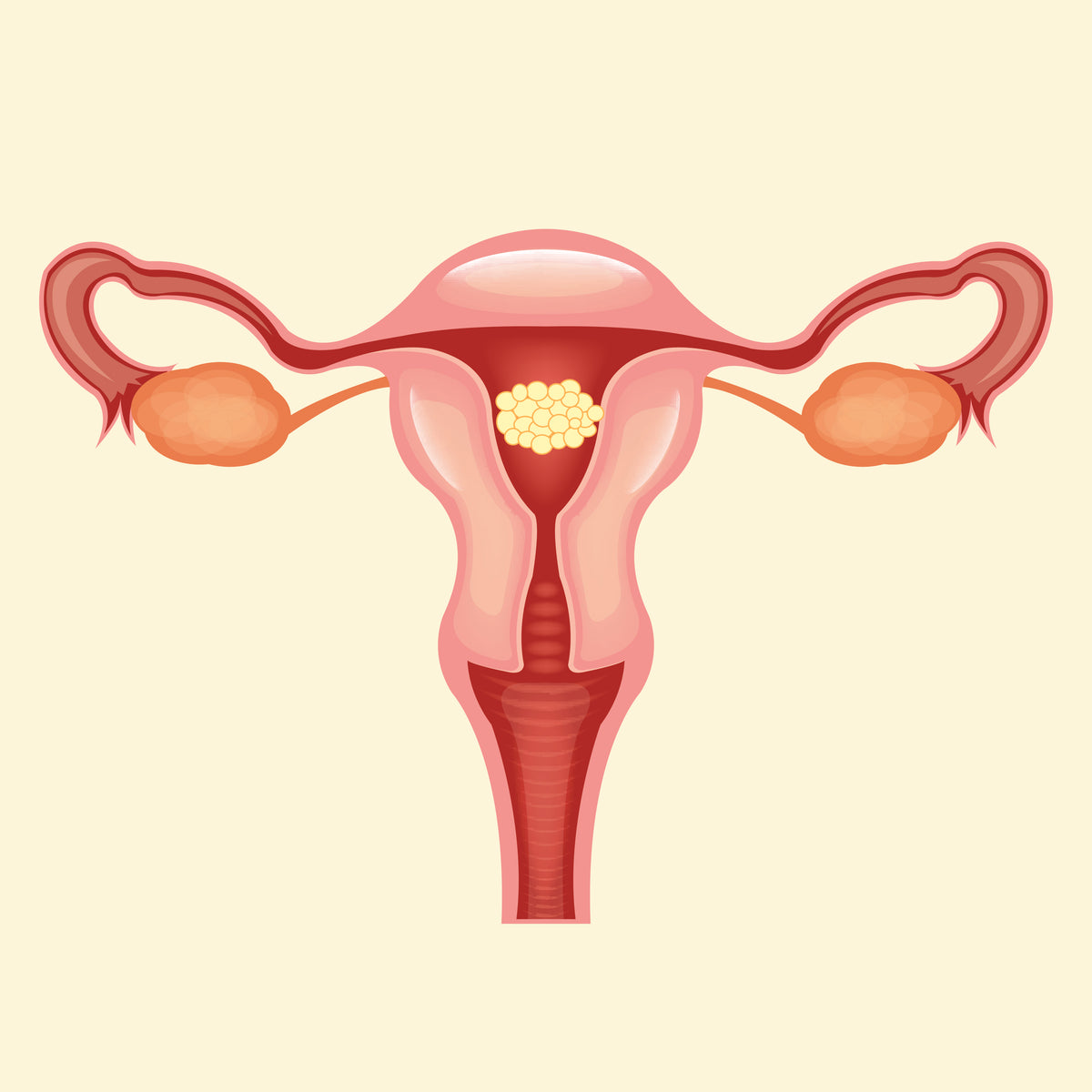
2. UTERINE CANCER
Uterine cancer begins in the lining of the uterus. It's the most common cancer of the female reproductive organs. The exact causes of this type of cancer are still unknown.
Common symptoms may include:
- Vaginal bleeding after menopause
- Bleeding between periods
- Pelvic pain
Note: This is the fourth most common cancer in women, after breast, lung, and colorectal cancer.
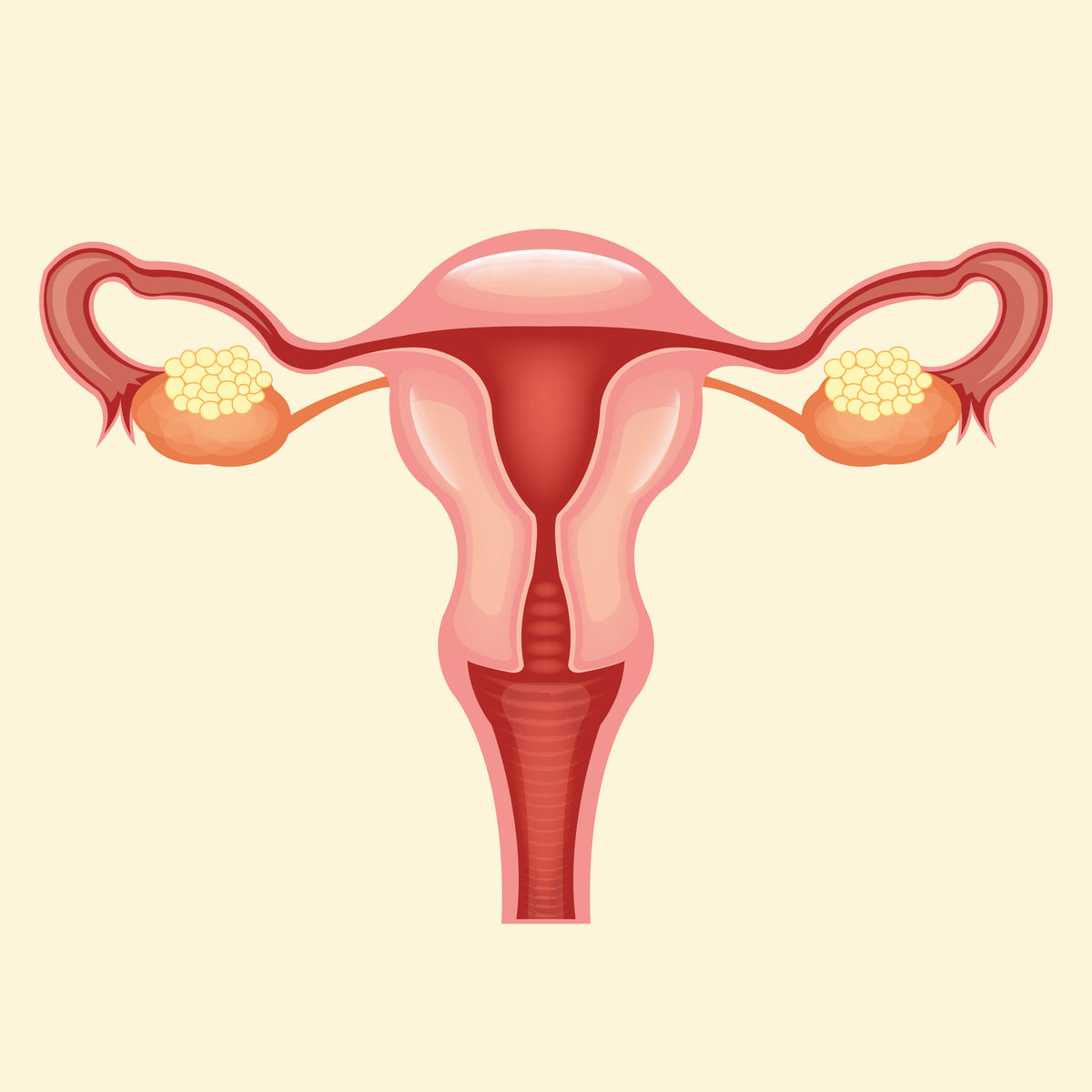
3. OVARIAN CANCER
The ovaries are roughly the size of an almond and produce eggs as well as the hormones estrogen and progesterone. Ovarian cancer is difficult to detect because of its vague symptoms, which aren't always obvious. The symptoms are nonspecific and can be mistaken for more common conditions like constipation or back pain.
Common symptoms include:
- Bloating
- Feeling full quickly when eating
- Loss of appetite and weight loss
- Fatigue
- Back pain
- Changes in bowel habits
Note: Heredity is the single biggest risk factor, accounting for 20% of all cases.
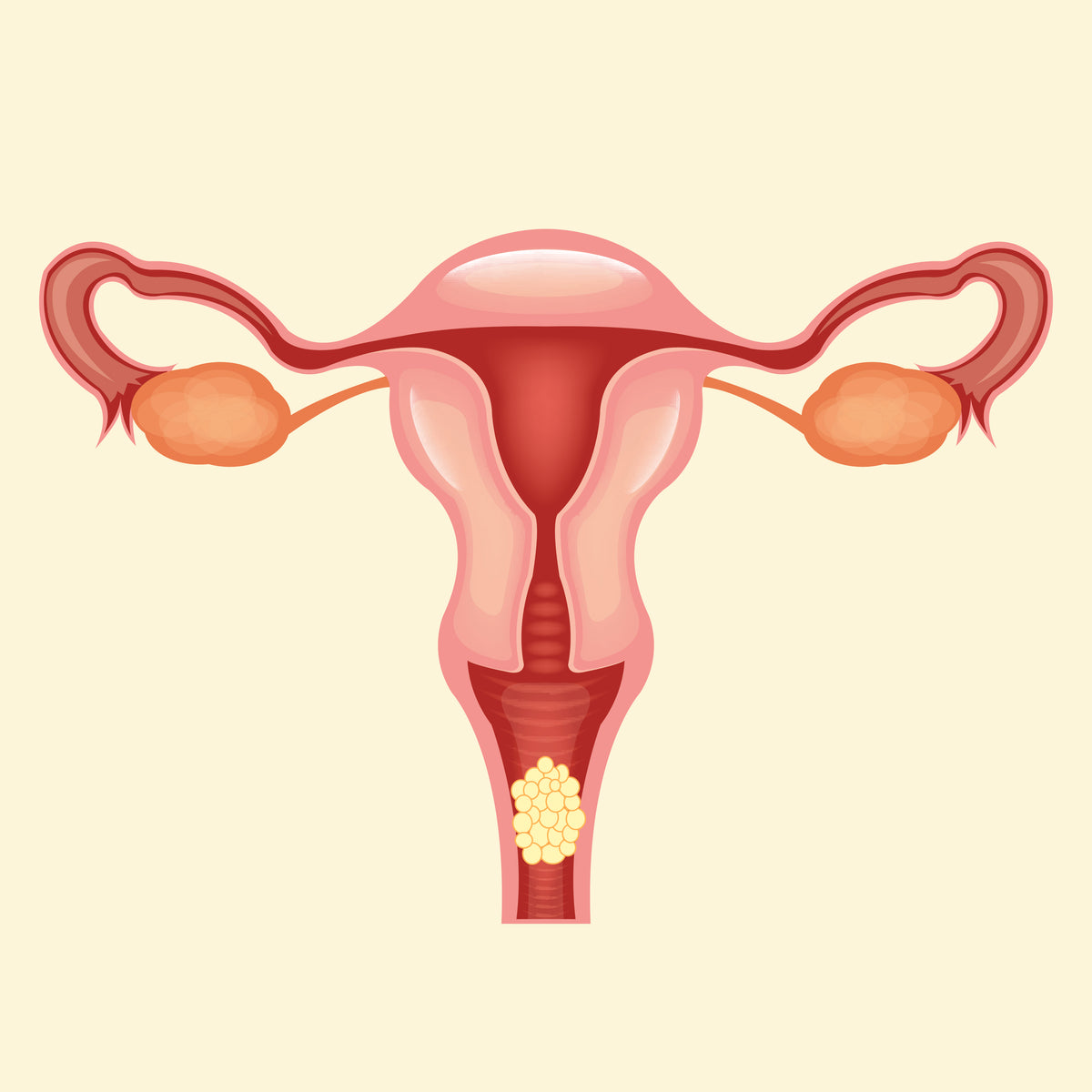
4. VAGINAL CANCER
Vaginal cancer is a rare form of gynecologic cancer that usually develops in the cells of the vaginal wall.
The most common symptoms include:
- Unusual vaginal bleeding, for example after intercourse or after menopause
- A lump in the vagina
- Foul-smelling or blood-tinged discharge
Note: More than half of all vaginal cancer cases are caused by human papillomavirus (HPV).
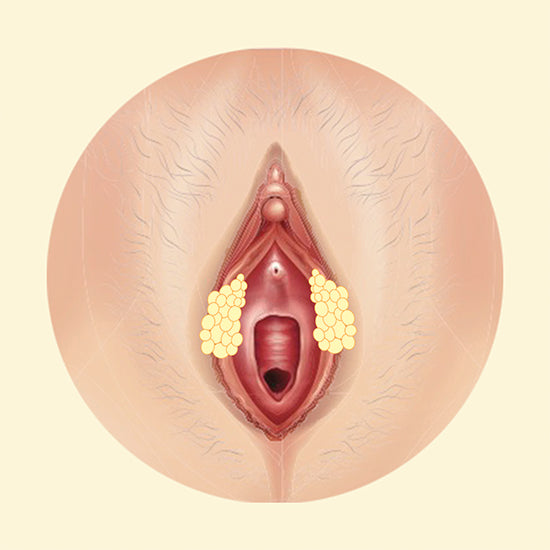
5. VULVAR CANCER
Vulvar cancer develops in the vulva — the area including the outer and inner labia and the perineum (the area between the vaginal opening and the anus).
Common symptoms include:
- Persistent itching that doesn't go away
- Pain or tenderness in the vulva
- Skin changes, such as thickening of the skin
- A lump or sore on the vulva
Note: The cause of vulvar cancer is still unknown, but some risk factors include advancing age, HPV exposure, and smoking.
You may also like
-

This podcast was made in collaboration with Outspoken Beauty. "A few months ago I was introduced to Hasti and Hedieh Asadi who are the brains behind Deodoc. When they told...
-

A very special, bonus epode of The Happy Vagina, for World Period day. Host Mika Simmons is joined by Swedish entrepreneurs Dr. Hedieh and Hasti Asadi founders for DeoDoc. Not only are these women pioneering...
-

Nu bryter vi tabun och pratar om onani, kvinnors sexualitet och sexleksaker med en expert.
